How Sleep Quality Affects Your Oral Health

June 19, 2026
Your Mouth Repairs Itself While You Sleep
Sleep isn't just rest—it's recovery.
During deep sleep, your body performs essential repair processes, including healing and controlling inflammation.
Your gums, oral tissues, and jaw muscles benefit from this recovery time.
When sleep quality drops, your body's ability to maintain a healthy mouth can also suffer.
1. Poor Sleep Can Increase Gum Problems
One of the lesser-known effects of poor sleep is increased inflammation throughout the body.
This includes the gums.
People with poor sleep habits may be more likely to experience:
Swollen gums
Bleeding while brushing
Increased plaque-related inflammation
Slower healing after dental procedures
Healthy gums need healthy recovery.
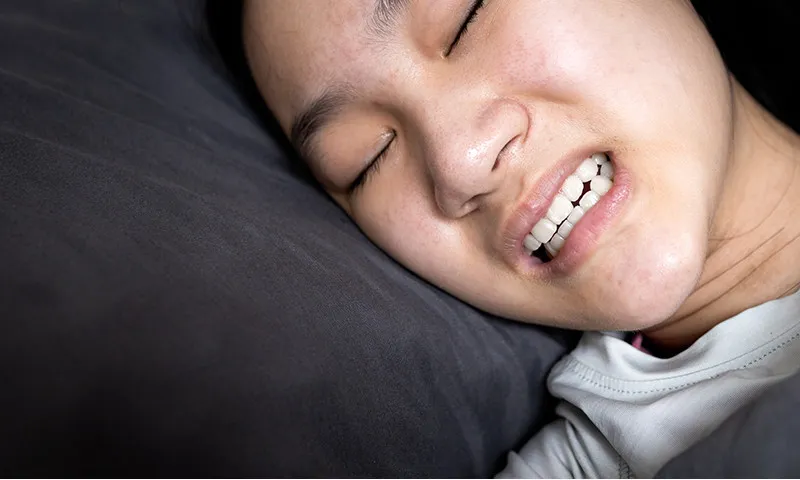
2. Sleep and Teeth Grinding Are Closely Connected
Many people grind or clench their teeth while sleeping without realizing it.
This condition, known as bruxism, is often associated with:
Stress
Anxiety
Poor sleep quality
Sleep disturbances
Over time, grinding can lead to:
Worn teeth
Cracked enamel
Tooth sensitivity
Jaw pain
Morning headaches
Some patients discover they have a grinding habit only after a dentist notices signs of wear.
3. Poor Sleep Can Cause Dry Mouth
Here's something most people don't know:
Saliva production decreases naturally at night.
If you're also:
Sleeping with your mouth open
Snoring
Experiencing poor-quality sleep
...your mouth may become excessively dry.
This matters because saliva helps:
Neutralize acids
Wash away bacteria
Protect enamel
Reduce bad breath
A dry mouth creates an environment where bacteria thrive.
4. Bad Breath Is Often Worse After Poor Sleep
Morning breath is normal.
But chronic poor sleep can make it worse.
Less saliva means:
More bacterial growth
Increased odor-causing compounds
Greater plaque accumulation
If bad breath persists even after brushing, it may be worth investigating the underlying cause.
5. Sleep May Affect Your Smile's Appearance
This surprises many patients.
Poor sleep can contribute indirectly to:
Increased teeth grinding
More enamel wear
Dry mouth-related staining
Gum inflammation
Over time, these changes can make a smile appear less healthy and less vibrant.
6. Snoring and Mouth Breathing Can Affect Oral Health
Many people who snore sleep with their mouths open.
This can lead to:
Dry mouth
Gum irritation
Increased plaque buildup
Higher cavity risk
If you regularly wake up with a dry mouth, it may be a sign worth discussing with your dentist.
Signs Your Sleep May Be Affecting Your Oral Health
Watch for:
✓ Morning jaw tightness
✓ Headaches after waking
✓ Dry mouth
✓ Bad breath
✓ Tooth sensitivity
✓ Worn tooth edges
✓ Frequent gum irritation
These may indicate that your sleep habits are influencing your oral health.
How to Protect Your Teeth While You Sleep
😴 Prioritize Consistent Sleep
Aim for a regular sleep schedule whenever possible.
💧 Stay Hydrated
Good hydration supports healthy saliva production.
🦷 Don't Ignore Grinding Symptoms
Early intervention can prevent long-term damage.
👃 Address Snoring or Mouth Breathing
Persistent symptoms should be evaluated.
🪥 Maintain Excellent Night-Time Oral Hygiene
Brushing before bed is especially important because saliva naturally decreases during sleep.
A Fact Most Patients Never Hear
You spend roughly one-third of your life sleeping.
That means your oral health is influenced not only by what you do during the day—but also by what happens every night while you're asleep.
Final Takeaway
Sleep quality affects far more than your energy levels.
It influences gum health, saliva production, teeth grinding, bad breath, and long-term smile preservation.
Taking care of your sleep may be one of the most overlooked ways to take care of your teeth.
Because a healthier smile often starts the night before.
Protect Your Smile at Dental Care Solutions, Pune
At Dental Care Solutions, Perihar Chowk, we help patients identify hidden causes of tooth wear, dry mouth, sensitivity, and gum problems—including those linked to sleep quality and lifestyle habits.