The Hidden Connection Between Stress and Teeth Grinding

May 25, 2026
What Is Teeth Grinding?
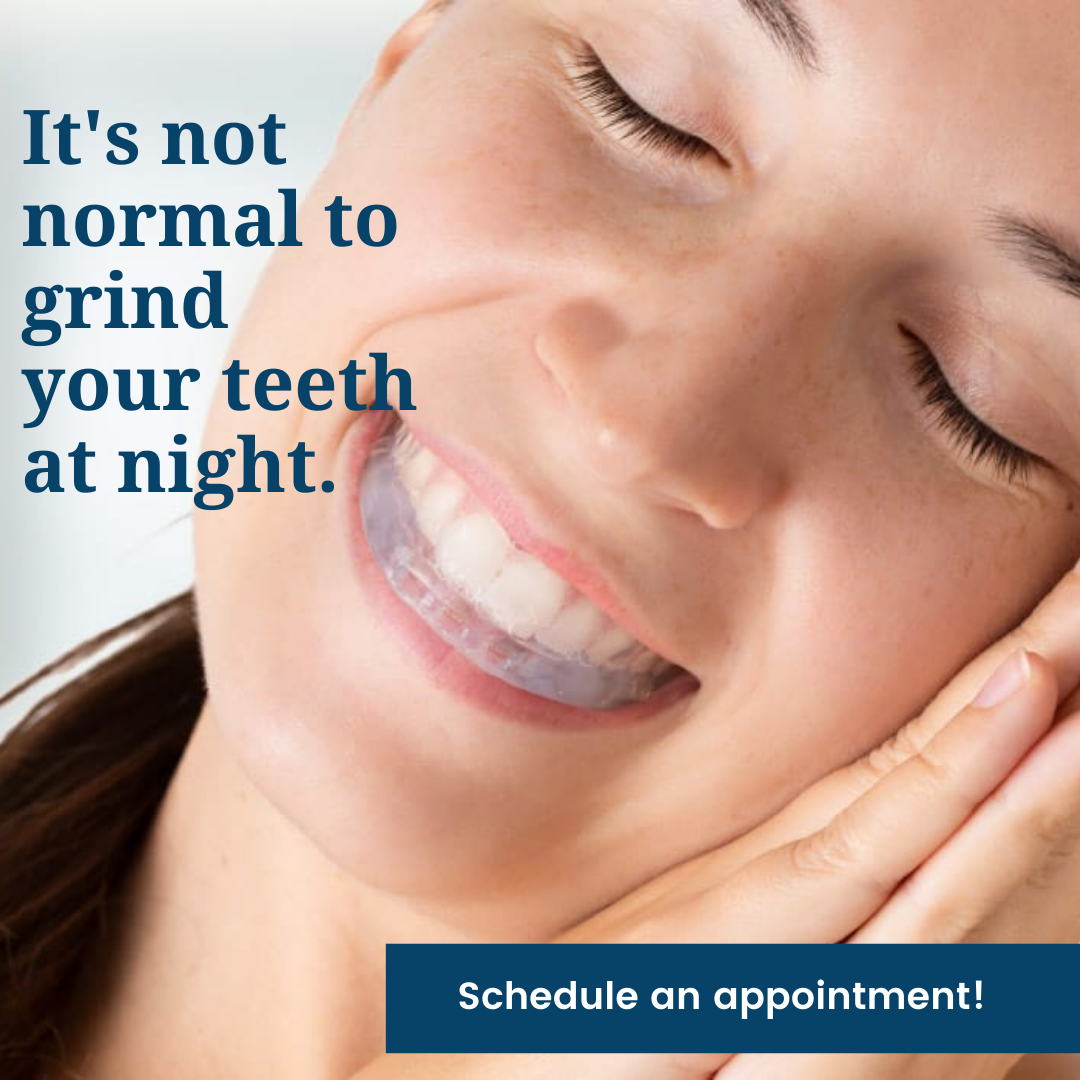
Teeth grinding—also called bruxism—is the unconscious clenching, grinding, or pressing together of teeth.
It commonly happens:
- During sleep
- While concentrating
- During emotional stress
- While working or driving
Because it often happens automatically, many patients discover it only after symptoms begin.
How Is Stress Connected to Teeth Grinding?
When the brain is under stress, the body stays in a heightened state of muscle activity.
That tension doesn’t only affect the neck and shoulders—it can affect the jaw too.
The jaw muscles tighten repeatedly and may stay active even while sleeping.
Over time, this repeated pressure creates excessive force on the teeth.
Think of it like repeatedly rubbing two stones together—slowly, the surface wears down.
Signs You May Be Grinding Your Teeth
Many patients don’t notice grinding directly.
Watch for these subtle signs:
✓ Morning Jaw Tightness
Your jaw feels stiff after waking up.
✓ Headaches Near the Temples
Especially headaches that appear in the morning.
✓ Teeth Sensitivity
Cold foods suddenly become uncomfortable.
✓ Flattened or Shorter Teeth
Your teeth may look less defined over time.
✓ Chipped Edges or Tiny Cracks
Small fractures can appear gradually.
✓ Clicking or Discomfort Near the Jaw Joint
Sometimes accompanied by difficulty opening the mouth fully.
✓ Partner Notices Grinding Sounds at Night
This is often the first clue.
Why Teeth Grinding Is More Serious Than People Think
Grinding is not just a habit.
Long-term grinding can contribute to:
- Worn enamel
- Tooth sensitivity
- Gum irritation
- Cracked teeth
- Jaw discomfort
- Premature smile aging
- Higher risk of future dental treatment
And because enamel doesn’t regenerate naturally, early prevention matters.
Who Is More Likely to Grind Their Teeth?
You may be more prone if you:
- Have high stress levels
- Sleep poorly
- Work long hours
- Consume excess caffeine
- Have irregular sleep patterns
- Experience anxiety or constant mental fatigue
Not everyone who is stressed grinds—but stress is a very common trigger.
How to Protect Your Teeth from Stress Grinding
1️⃣ Improve Sleep Quality
Your jaw muscles recover during sleep.
2️⃣ Notice Daytime Clenching
Many people clench while working without realizing it.
3️⃣ Reduce Jaw Tension
Keep your lips closed but teeth slightly apart when relaxed.
4️⃣ Limit Excess Caffeine Late in the Day
This may help reduce nighttime muscle activity.
5️⃣ Consider a Custom Night Guard
If grinding is significant, a professionally designed guard can protect teeth from wear.
6️⃣ Get Early Dental Evaluation
Subtle wear can often be identified before symptoms become severe.
A Surprising Thing Most Patients Don’t Know
Many people think grinding causes pain immediately.
But often, the earliest changes are cosmetic:
- Teeth appear shorter
- Edges become flatter
- Smile loses brightness
- Tiny chips develop
By the time pain starts, wear may already be significant.
Final Takeaway
Stress affects more than emotions—it can quietly affect your smile.
If you’ve been waking up with headaches, jaw tension, or increasing sensitivity, your teeth may be carrying more stress than you realize.
Protecting your smile early can prevent long-term damage.
Protect Your Teeth at Dental Care Solutions, Pune
At Dental Care Solutions, Perihar Chowk, we help patients identify early signs of grinding, protect enamel, and maintain long-term smile health with preventive and personalized dental care.